

RTO Thermal Oxidizer Technology: A Complete Guide for Industrial VOC Abatement
2026-06-24
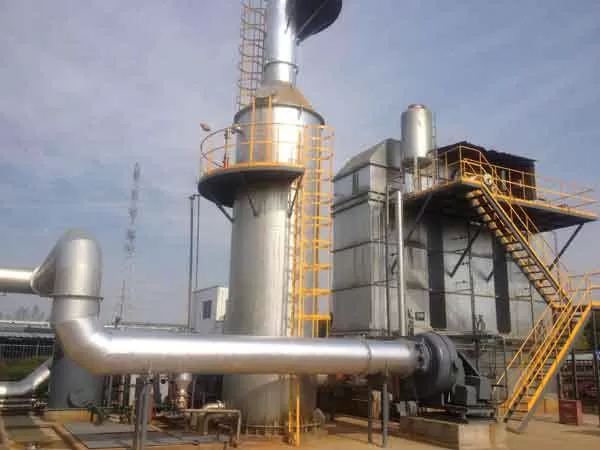
Volatile organic compounds (VOCs) emitted from chemical, pharmaceutical, coating, and petrochemical facilities remain one of the most regulated air pollutants worldwide. Regenerative thermal oxidizer (RTO) technology has emerged as a leading, energy-efficient solution for VOC destruction.
An RTO uses a ceramic heat-exchange media bed to capture thermal energy from the exhaust stream. Contaminated air is preheated as it passes through one of multiple ceramic beds, then enters a combustion chamber where VOCs are oxidized at temperatures typically between 760°C and 1100°C. The cleaned, hot gases then pass through a second ceramic bed, transferring heat to it. Valves periodically switch the airflow direction, allowing the system to achieve destruction removal efficiency (DRE) above 95% while recovering 85% to 97% of combustion energy.
Key advantages include low supplemental fuel consumption, high destruction efficiency, suitability for variable VOC concentrations, and compact footprint when compared to older recuperative systems. RTOs also tolerate intermittent process conditions and can handle large air volumes with moderate solvent loading.
Common configurations include two-bed and three-bed designs. Three-bed systems typically deliver higher thermal efficiency and more stable operation, while two-bed units offer a simpler, lower-capital solution for smaller flows.
For safe and efficient operation, RTO systems must integrate proper heat management, flame safeguard controls, and thermal relief. Periodic inspection of ceramic media, valves, and burners is essential for long-term performance.
Zhongkang Environmental Engineering designs and supplies RTO thermal oxidizers tailored to process flow, VOC composition, and emission requirements. Contact our team to evaluate whether RTO technology is the right fit for your facility.