

Oil Separation Systems
1. High oil-water separation efficiency
2. No power consumption (gravity separation) or low-energy design
3. Easy sludge cleaning and maintenance
Product Overview
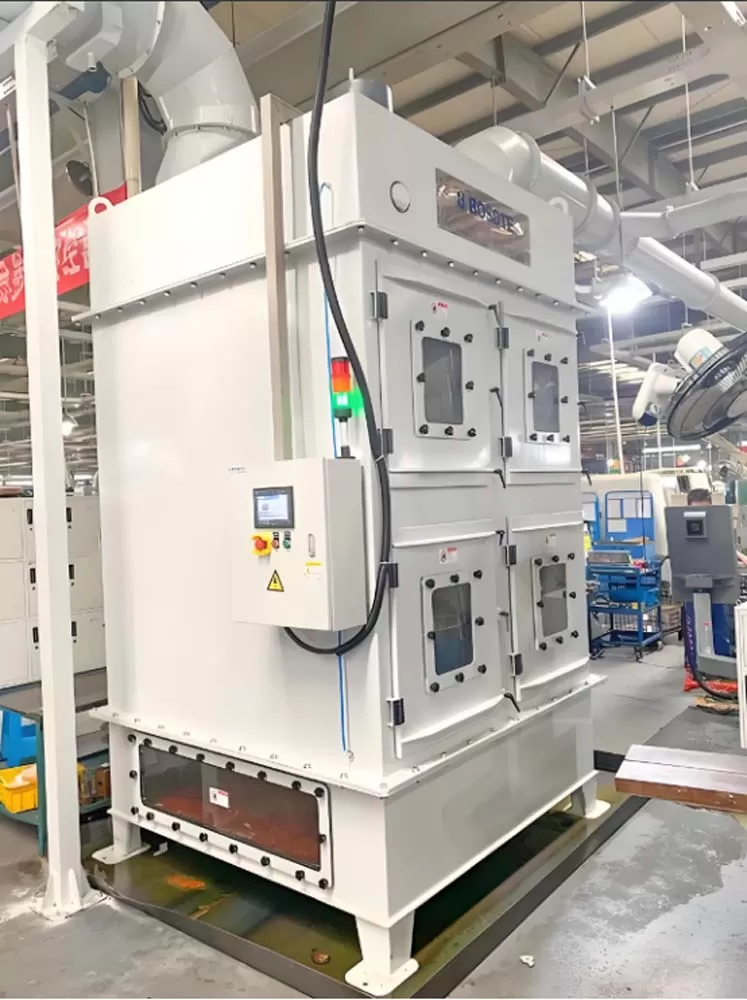
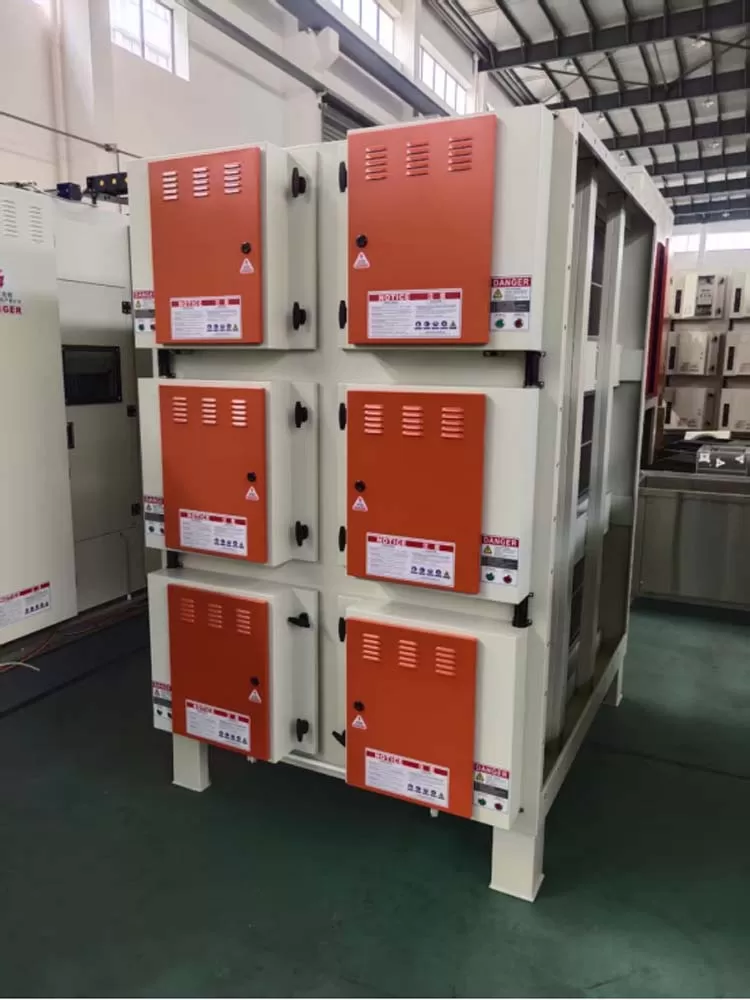
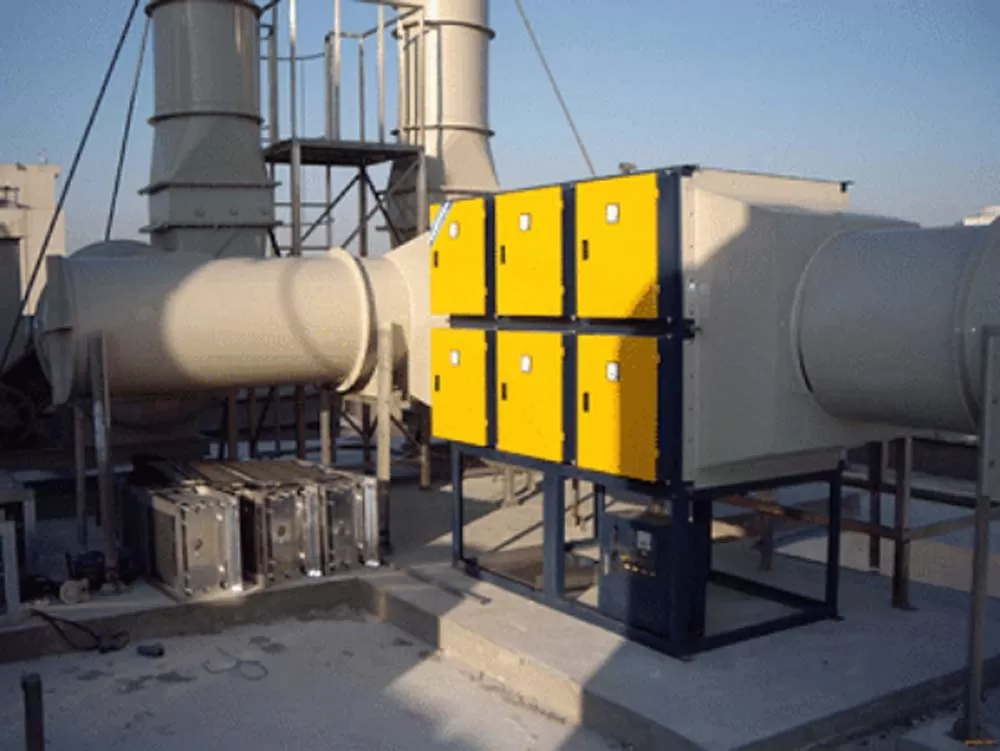
Oil Separation Systems are designed to efficiently remove oil mist, grease particles, and oily vapors from industrial exhaust air. These systems play an important role in maintaining clean air in production environments while protecting downstream equipment from oil contamination.
The system typically combines mechanical filtration, centrifugal separation, or multi-stage filtration technologies to capture and separate oil droplets from the airflow. With a compact structure and reliable operation, oil separation systems are widely used in industrial ventilation and emission control systems.
The equipment can be manufactured from materials such as carbon steel, stainless steel, or corrosion-resistant materials depending on the operating conditions, ensuring durability and long service life in demanding industrial environments.
Working Principle
During operation, oil-contaminated air enters the separation unit where the airflow passes through specially designed separation structures or filter elements. Larger oil droplets are removed through inertial or centrifugal forces, while smaller oil mist particles are captured by high-efficiency filter media.
As the oil droplets accumulate, they coalesce into larger drops and are collected in a drainage system at the bottom of the unit. The cleaned air then exits the system and is discharged through the exhaust duct or connected air treatment equipment.
This multi-stage separation process ensures efficient removal of oil particles while maintaining stable airflow and low operating resistance.