

Humidity Management in Zeolite Rotor VOC Concentration Systems
2026-07-31
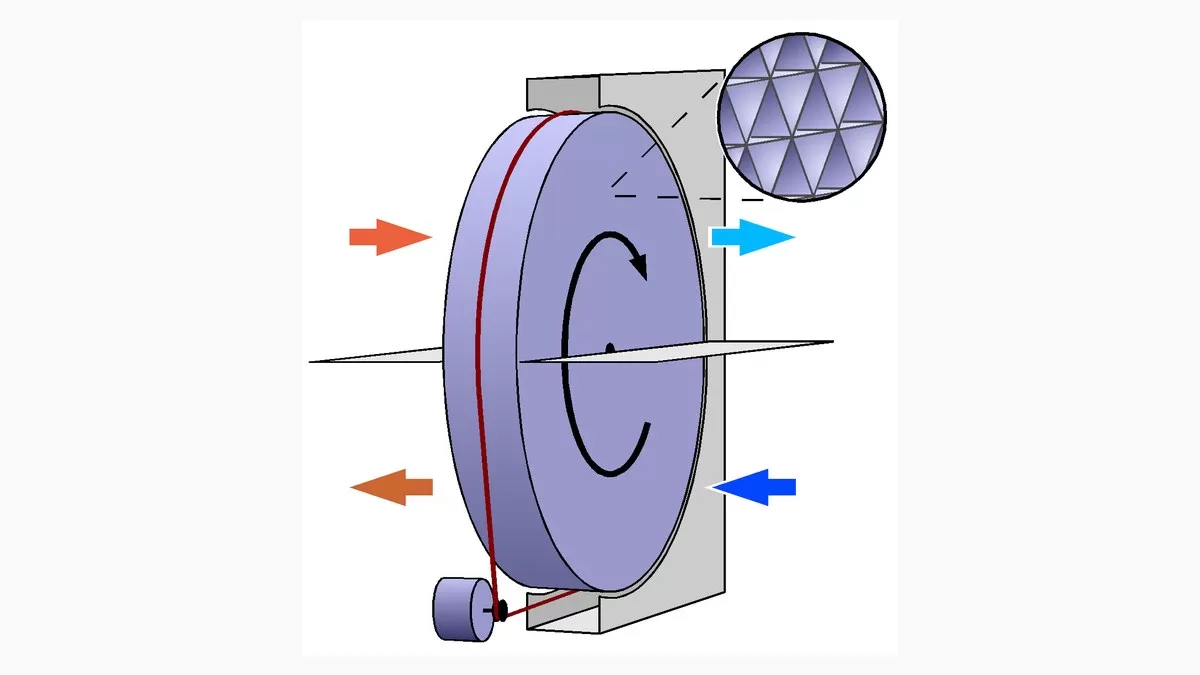
Water competes for adsorption conditions
A zeolite rotor concentrates a large, dilute VOC stream into a smaller stream for downstream oxidation. Inlet moisture can influence adsorption because water interacts with the zeolite surface and changes the effective loading environment. The impact depends on zeolite type, VOC species, temperature and relative humidity, so one universal humidity limit should not be applied to every project.
Characterize the worst operating window
Average humidity can hide the conditions that cause instability. Seasonal weather, washdown, drying ovens and production changes may create peaks. Record temperature and relative humidity together and convert them into a meaningful moisture load. The design basis should include startup, shutdown and upset conditions, not only a comfortable nominal point.
Use pretreatment and control together
Cooling, dehumidification, reheating or dilution may be appropriate when moisture is excessive, but each option uses energy and can create condensation risk. Filtration is also important because dust, mist and high-boiling compounds may foul the rotor. Sensors should be located where they represent the actual inlet and regeneration streams, with alarms tied to practical operating actions.
Confirm the complete mass and energy balance
Ask the supplier to show how humidity affects concentration ratio, removal efficiency, regeneration temperature and downstream oxidizer load. Pilot or bench testing may be valuable for unusual solvent mixtures. During commissioning, trend humidity, rotor differential pressure, desorption temperature and outlet VOC together. Coordinated data makes troubleshooting faster than changing one setpoint at a time.