

RTO Heat Recovery for Lower Auxiliary Fuel Use in VOC Treatment
2026-07-31
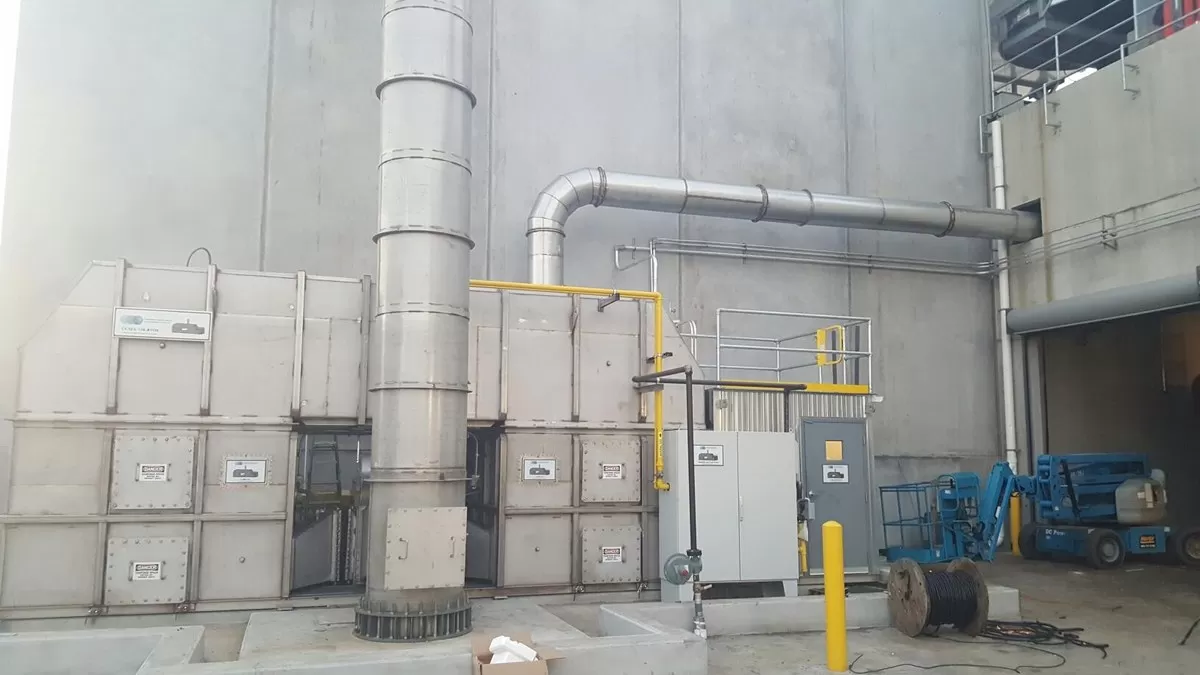
Regeneration recycles process heat
A regenerative thermal oxidizer stores heat from the treated hot gas in ceramic media and transfers that heat to the incoming exhaust during the next flow cycle. When inlet VOC loading and heat recovery are sufficient, the burner may need much less auxiliary fuel. Actual performance, however, depends on the complete operating profile rather than a headline recovery percentage.
VOC load determines the energy opportunity
Flow, concentration and heating value change the amount of energy released during oxidation. A dilute stream may need continuous support fuel, while a stable higher load can approach self-sustaining operation. Peaks still require safety review because they can raise combustion temperature. A good design uses measured concentration distributions, not only monthly averages.
Small losses become operating cost
Valve leakage, poor switching, damaged ceramic media, cold air infiltration and fouled heat-transfer passages reduce effective recovery. Excessive purge air or unnecessary dilution also adds heating demand. Routine trends for chamber temperatures, burner output, pressure and valve position can reveal deterioration before fuel use becomes an unexplained monthly expense.
Evaluate useful heat beyond the RTO
Some plants can recover additional heat from the exhaust for hot water, air preheating or another process, but the load must be stable and the exchanger must suit the gas conditions. Avoid creating condensation, corrosion or excess backpressure. Compare capital cost, operating hours and realistic heat demand before adding recovery hardware. The best energy project starts with a verified balance.