Wet Scrubber Materials: PP, FRP or Stainless Steel?
2026-08-26
Why This Topic Matters
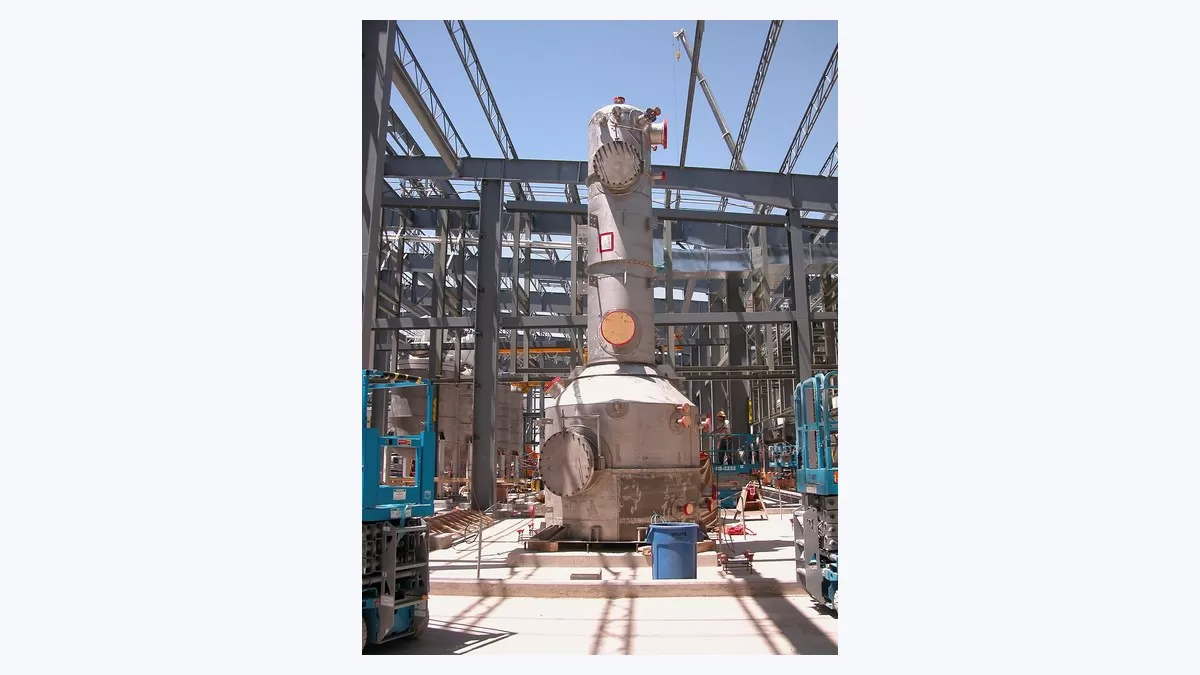
The cheapest scrubber shell can become the most expensive option when the gas chemistry and temperature are misunderstood. Wet scrubbers and pickling towers may be built from polypropylene, fiberglass-reinforced plastic or stainless steel, among other materials. Each offers a different balance of chemical compatibility, temperature capability, mechanical strength, fabrication and maintenance. Material selection should follow the full gas and liquid environment—not a general label such as ‘acid fumes.’
Identify every constituent
List the acids, alkalis, oxidants, solvents, particles and possible upset contaminants, including concentration ranges.
Define temperature
Normal inlet temperature, peaks, condensation and liquid temperature can change both corrosion behavior and structural design.
Review mechanical loads
Fan suction, liquid weight, wind, supports, transport and access platforms all affect the equipment shell.
Plan maintenance
Inspection access, nozzle removal, packing replacement and repair methods should suit the selected material and site resources.
What to Include in the RFQ
A strong request for quotation includes the gas composition, temperature profile, airflow, dust and mist loading, scrubbing liquid, target removal duty, installation location and local design requirements. Ask the supplier to state the material basis and any assumptions. A material name alone is not a corrosion guarantee.
Validation and Repeatability
Emission-control design should use representative process data and an agreed safety review. Record sampling conditions, production modes, peaks, contaminants, utility limits and the required outlet basis. If the process changes, reassess the treatment train. This protects both compliance and equipment life because a system designed for yesterday’s waste stream may not remain suitable after a new material or production recipe is introduced. Document the reassessment before the changed process returns to normal production, and train operators on new monitoring or maintenance duties.
Final Preproduction Check
Before release, confirm that the approved sample, test method and acceptance limits reflect production-scale conditions. Record changes to materials, settings or service environment, because repeatability depends on controlling the complete system rather than one isolated specification.
Conclusion
Zhongkang manufactures scrubbers and supporting systems in PP, FRP, carbon steel and stainless-steel configurations. We review process conditions and project constraints to recommend a practical construction for further engineering confirmation. Send the gas and liquid composition—not only the pollutant name—for a useful material review.